// INTERCEPTOR
30 km. Under 3 minutes.
A jet-powered, vertical-launch interceptor that reaches any point in its engagement envelope faster than any propeller-driven system — and reloads before the next threat arrives.
A jet-powered, vertical-launch interceptor that reaches any point in its engagement envelope faster than any propeller-driven system — and reloads before the next threat arrives.
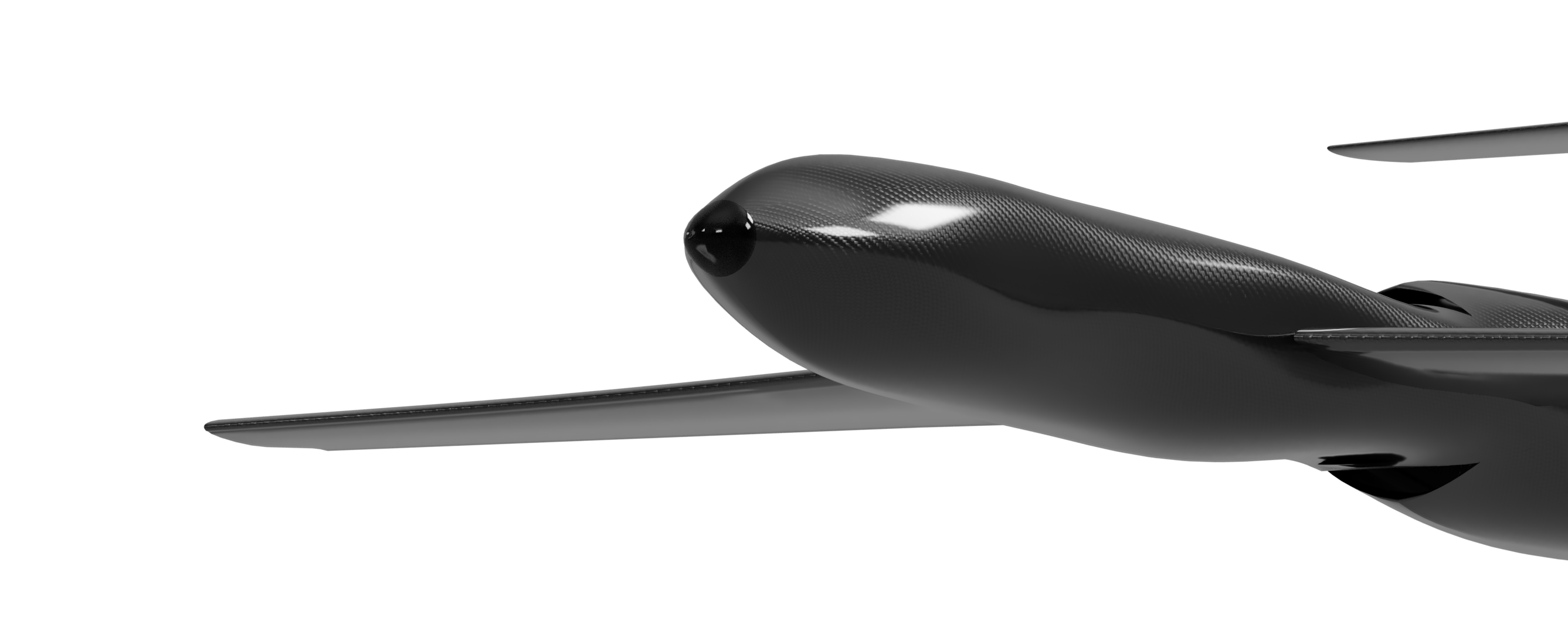
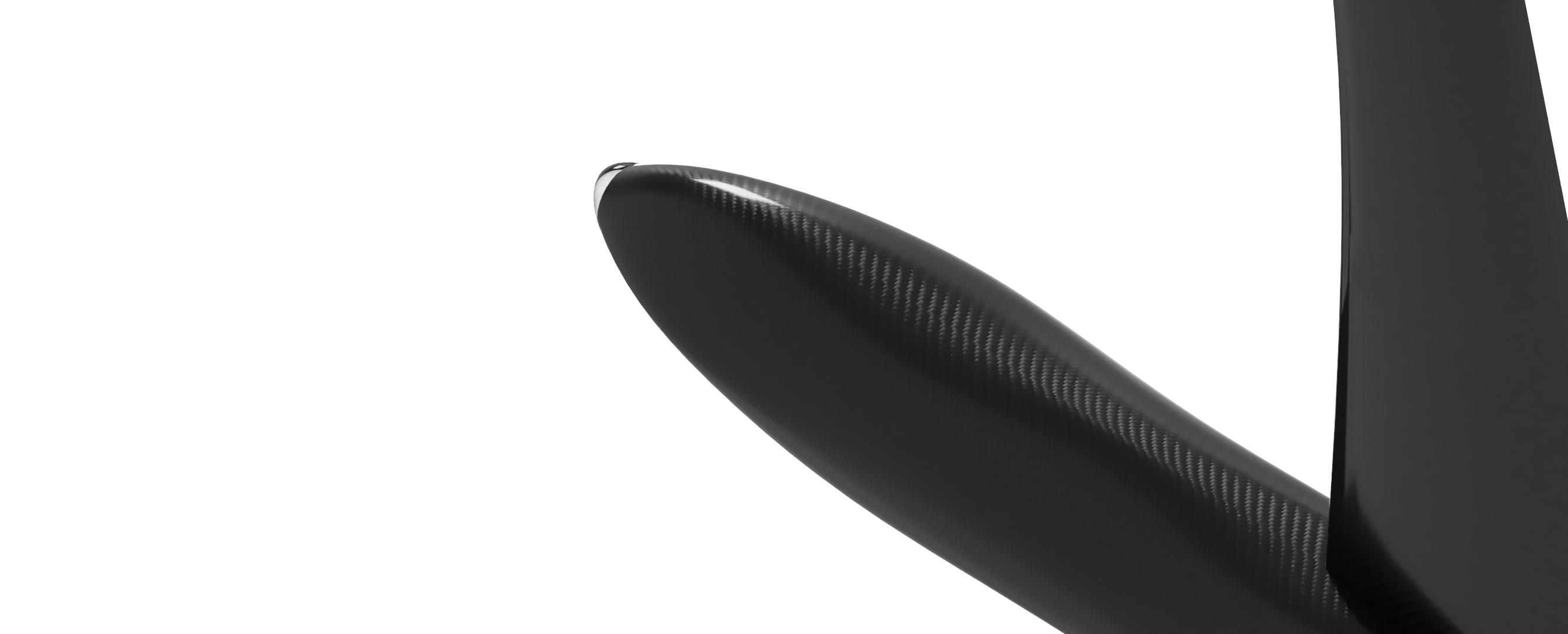
INTERCEPTOR launches vertically from a fixed or vehicle-mounted cell and operates as part of the wider GBAD network — receiving targeting data from it, not requiring its own ground sensor. No runway, no catapult, no pre-alignment toward the threat.
The GCS issues a fire decision. Cells fire independently. Multiple threats simultaneously? Multiple cells fire simultaneously. Each interceptor can climb up to 4 km altitude in under 60 seconds — while remaining cells hold standby for the next wave.
Capacity scales with number of cells. No single launch rail. No single point of failure.
Clock starts at the fire decision issued by the GBAD network. No runway, no catapult, no crew to scramble.
The current architecture keeps aims at utilising mature European propulsion and avionics solutions.
The drone is from the first sketch designed with integration of Czech microjet engines in mind.
The design path is aimed at integrating European/Czech mature solutions gradually during flight testing phase as replacements to COTS.
Current work is focused on validating the idea by designing and building a Technology Demonstrator. Its aim is validation of propulsion integration, Vertical Take Off and the core flight performance.